Life Span
Annual
Perennial
Origin
Southern Asia
Central Asia, Southern Asia, Western Ghats, India
Types
Savoy, Giant Noble, Semi-savoy
congesta, paucinervia
Habitat
Fields, gardens, meadows, Suburban areas
Fertile bottom land, moist forests, Temperate Regions, Tropical Forests
USDA Hardiness Zone
Not Available
Not Available
AHS Heat Zone
Not Available
8-3
Sunset Zone
Not Available
Not Available
Habit
Rosette/Stemless
Upright/Erect
Flower Color
Yellow, Green
Pale White, White
Flower Color Modifier
Bicolor
Bicolor
Fruit Color
Tan, Black
Purple, Black
Leaf Color in Spring
Green, Dark Green
Green
Leaf Color in Summer
Not Available
Green
Leaf Color in Fall
Green, Dark Green
Green
Leaf Color in Winter
Green, Dark Green
Light Green
Plant Season
Not Available
Spring, Summer, Fall
Sunlight
Full Sun
Full Sun, Partial Sun, Partial shade
Growth Rate
Very Fast
Medium
Type of Soil
Loam, Sand
Loam
The pH of Soil
Neutral, Alkaline
Acidic, Neutral, Alkaline
Soil Drainage
Well drained
Well drained
Bloom Time
Not Available
Spring
Tolerances
Drought
Drought
Where to Plant?
Ground, Pot
Ground
How to Plant?
Seedlings
Seedlings, Stem Cutting
Plant Maintenance
Medium
Medium
Watering Requirements
Requires regular watering
Keep the ground moist but not water-logged
In Summer
Lots of watering
Lots of watering
In Spring
Moderate
Moderate
In Winter
Average Water
Average Water
Soil pH
Neutral, Alkaline
Acidic, Neutral, Alkaline
Soil Type
Loam, Sand
Loam
Soil Drainage Capacity
Well drained
Well drained
Sun Exposure
Full Sun
Full Sun, Partial Sun, Partial shade
Pruning
Remove damaged leaves, Remove dead branches, Remove dead leaves
Prune if you want to improve plant shape, Remove dead leaves
Fertilizers
Fertilize when new
Compost, fertilize in growing season
Pests and Diseases
Downy mildew, Leafminers, Red blotch, Seedcorn maggot
Aphids, Earwigs, Insects, Mildew, Red blotch, Rust, sawflies
Plant Tolerance
Cold climate, Drought
Dry soil, Heat And Humidity
Flowers
None
Insignificant
Flower Petal Number
Not Available
Single
Foliage Texture
Medium
Medium
Foliage Sheen
Glossy
Matte
Attracts
Not Available
Birds, Butterflies, Fruit Bats
Allergy
Food Allergy
Eczema, Mouth itching, Throat itching
Aesthetic Uses
Not Used For Aesthetic Purpose
Not Available
Beauty Benefits
Not Available
good for lips, Remove blemishes
Environmental Uses
Air purification
Air purification, Food for animals, Food for birds, soil stabilisation
Medicinal Uses
Energy, Potassium, Rich in Iron, Vitamin A, Vitamin C, Vitamin E, Vitamin K
Anemia, Diuretic, Potassium, Rich in Iron, Vitamin C
Part of Plant Used
Leaves, Stem
Fruits, Leaves
Other Uses
Used As Food, Used for its medicinal properties
Added to salads, Cosmetics, Culinary use, Used as a nutritious food item, Used As Food, Used for its medicinal properties
Used As Indoor Plant
Yes
No
Used As Outdoor Plant
Yes
Yes
Garden Design
Container, Edible, Herb, Vegetable
Edible, Fruit / Fruit Tree, Hedges
Botanical Name
SPINACIA oleracea
Carissa carandas
Common Name
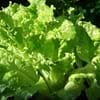
Spinach
Black Currant
In Hindi
पालक
करोंदा, कालि मैना
In German
Spinat
Carandas
In French
Épinards
karondas
In Spanish
Espinacas
karondas
In Greek
Σπανάκι
karondas
In Portuguese
Espinafre
karondas
In Polish
Szpinak
karondas
In Latin
Spinach
karondas
Phylum
Magnoliophyta
Magnoliophyta
Class
Magnoliopsida
Magnoliopsida
Order
Caryophyllales
Gentianales
Family
Chenopodiaceae
Apocynaceae
Clade
Angiosperms, Core eudicots, Eudicots
Angiosperms, Asterids, Eudicots
Tribe
Anserineae
Not Available
Subfamily
Chenopodioideae
Not Available
Number of Species
Not Available
Not Available
Season and Care of Spinach and Karonda
Season and care of Spinach and Karonda is important to know. While considering everything about Spinach and Karonda Care, growing season is an essential factor. Spinach season is Not Available and Karonda season is Not Available. The type of soil for Spinach is Loam, Sand and for Karonda is Loam while the PH of soil for Spinach is Neutral, Alkaline and for Karonda is Acidic, Neutral, Alkaline.
Spinach and Karonda Physical Information
Spinach and Karonda physical information is very important for comparison. Spinach height is 15.20 cm and width 30.50 cm whereas Karonda height is 120.00 cm and width 120.00 cm. The color specification of Spinach and Karonda are as follows:
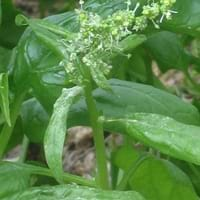
Spinach flower color: Yellow and Green
Spinach leaf color: Green and Dark Green
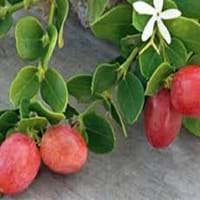
Karonda flower color: Pale White and White
- Karonda leaf color: Green
Care of Spinach and Karonda
Care of Spinach and Karonda include pruning, fertilizers, watering etc. Spinach pruning is done Remove damaged leaves, Remove dead branches and Remove dead leaves and Karonda pruning is done Prune if you want to improve plant shape and Remove dead leaves. In summer Spinach needs Lots of watering and in winter, it needs Average Water. Whereas, in summer Karonda needs Lots of watering and in winter, it needs Average Water.