Life Span
Biennial
Annual
Type
Tender Perennial
Flowering Plants
Origin
South America, Brazil
America, Europe
Types
Not Available
Clump verbena, Moss verbena, Annual Verbena, Brazilian verbena, Sandpaper Verbana
Number of Varieties
Not Available
Habitat
Tropical regions
Forest edges, Hillside, Woods
USDA Hardiness Zone
10-15
3-9
AHS Heat Zone
12-1
Not Available
Sunset Zone
H1, H2, 24
not available
Habit
Rosette/Stemless
Not Available
Flower Color
Purple, Blue Violet
Blue, Dark Purple, Light Purple, Red, White
Flower Color Modifier
Not Available
Not Available
Fruit Color
Gold, Magenta, Rose
Not Available
Leaf Color in Spring
Green, Gray Green
Dark Green
Leaf Color in Summer
Green, Gray Green
Dark Green, Green
Leaf Color in Fall
Green, Gray Green
Dark Green, Green
Leaf Color in Winter
Gray Green
Not Available
Leaf Shape
Arrowhead
Oblovate
Plant Season
Spring, Summer, Fall, Winter
Early Spring, Late Autumn
Sunlight
Full Sun, Partial Sun
Full Sun, Partial shade
Type of Soil
Loam, Sand
Well drained
The pH of Soil
Acidic, Neutral
Neutral, Slightly Acidic
Soil Drainage
Well drained
Average
Bloom Time
Spring, Late Spring
Early Fall, Early Summer, Fall, Late Spring, Late Summer, Summer
Tolerances
Drought
Not Available
Where to Plant?
Container, Ground, Pot
Container, Ground
How to Plant?
Divison
Seedlings, Stem Planting
Plant Maintenance
Medium
Medium
Watering Requirements
Average Water Needs, Needs less watering, Requires consistently moist soil, Water occasionally
Do not water frequently, Medium, Never Over-water, Requires regular watering, Requires watering in the growing season
In Summer
Lots of watering
Lots of watering
In Spring
Moderate
Moderate
In Winter
Average Water
Average Water
Soil pH
Acidic, Neutral
Neutral, Slightly Acidic
Soil Type
Loam, Sand
Well drained
Soil Drainage Capacity
Well drained
Average
Sun Exposure
Full Sun, Partial Sun
Full Sun, Partial shade
Pruning
Remove damaged leaves, Remove dead branches, Remove dead leaves
Prune for shortening long shoots, Prune if you want to improve plant shape, Prune lower leaves, Prune regularly, Prune to control growth
Fertilizers
All-Purpose Liquid Fertilizer
All-Purpose Liquid Fertilizer
Pests and Diseases
Scale
Not Available
Plant Tolerance
Drought
Drought
Flowers
Insignificant
Yes
Flower Petal Number
Single
Single
Showy Foliage
Yes
Not Available
Foliage Texture
Coarse
Not Available
Foliage Sheen
Matte
Not Available
Invasive
No
Not Available
Attracts
Beetles, Mealybugs, Mites
Butterflies
Allergy
Dermititis, Itchiness
Arthritis, Asthma, Chest Pain, Itchiness, Whooping Cough
Aesthetic Uses
Showy Purposes
Showy Purposes
Beauty Benefits
Acne, For treating wrinkles, Good for skin, Improve skin tone, Skin irritation, Skin Problems, Stops hair loss
Not Available
Environmental Uses
Air purification
Air purification
Medicinal Uses
Aging, Asthma, Atherosclerosis, Cancer, Digestion problems, Fertility, Heart problems, High blood pressure, Immunity, Indigestion, Inflammation, Itching, Skin irritation, Swelling
Arthritis, Gallbladder Diseases, Itching, Jaundice, Joint pain, Kidney problems, Liver problems, Metabolic disorders, Sore throat, Upset stomach, Urinary tract problems
Part of Plant Used
Fruits
Flowers, Root
Other Uses
Cosmetics, Used As Food, Used as Ornamental plant, Used for its medicinal properties
Air freshner, Can be made into a herbal tea, Cosmetics, Decoration Purposes, Economic Purpose, Employed in herbal medicine, Oil is used for aromatherapy, Oil is used in perfume, soaps, creams, etc., Showy Purposes, Used As Food, Used as Ornamental plant, Used for flavoring in Liquors, dairy products, gelatins,puddings, meats, candies, etc., Used for fragrance
Used As Indoor Plant
Yes
No
Used As Outdoor Plant
Yes
Yes
Garden Design
Container, Houseplant, Mixed Border, Tropical
Bedding Plant, Bonsai, Container, Edible, Herb
Botanical Name
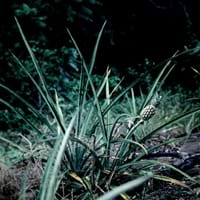
ANANAS nanus
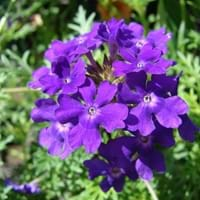
Purpletop Vervain
Common Name
Dwarf Pineapple, Piñita, Pink Pineapple
Verbena
In Hindi
Pink Pineapple
verbena
In German
Pink Pineapple
Eisenkraut
In French
Pink Pineapple
verveine
In Spanish
Pink Pineapple
Verbena
In Greek
Pink Pineapple
λουίζα
In Portuguese
Ananás-de-raposa
verbena
In Polish
Pink Pineapple
werbena
In Latin
Pink Pineapple
Grindelia
Phylum
Not Available
Magnoliophyta
Class
Not Available
Magnoliopsida
Family
Bromeliaceae
Verbenaceae
Clade
Angiosperms, Commelinids, Monocots
Not Available
Tribe
Not Available
Not Available
Subfamily
Bromelioideae
Not Available
Number of Species
Not Available
Importance of Pink Pineapple and Verbena
Want to have the most appropriate plant for your garden? You might want to know the importance of Pink Pineapple and Verbena. Basically, these two plants vary in many aspects. Compare Pink Pineapple and Verbena as they differ in many characteristics such as their life, care, benefits, facts, etc. Every gardener must at least have the slightest clue about the plants he wants to plant in his garden. Compare their benefits, which differ in many ways like facts and uses. The medicinal use of Pink Pineapple is Aging, Asthma, Atherosclerosis, Cancer, Digestion problems, Fertility, Heart problems, High blood pressure, Immunity, Indigestion, Inflammation, Itching, Skin irritation and Swelling whereas of Verbena is Arthritis, Gallbladder Diseases, Itching, Jaundice, Joint pain, Kidney problems, Liver problems, Metabolic disorders, Sore throat, Upset stomach and Urinary tract problems. Pink Pineapple has beauty benefits as follows: Acne, For treating wrinkles, Good for skin, Improve skin tone, Skin irritation, Skin Problems and Stops hair loss while Verbena has beauty benefits as follows: Acne, For treating wrinkles, Good for skin, Improve skin tone, Skin irritation, Skin Problems and Stops hair loss.
Compare Facts of Pink Pineapple vs Verbena
How to choose the best garden plant for your garden depending upon its facts? Here garden plant comparison will help you to solve this query. Compare the facts of Pink Pineapple vs Verbena and know which one to choose. As garden plants have benefits and other uses, allergy is also a major drawback of plants for some people. Allergic reactions of Pink Pineapple are Dermititis and Itchiness whereas of Verbena have Arthritis, Asthma, Chest Pain, Itchiness and Whooping Cough respectively. Having a fruit bearing plant in your garden can be a plus point of your garden. Pink Pineapple has showy fruits and Verbena has no showy fruits. Also Pink Pineapple is not flowering and Verbena is flowering. You can compare Pink Pineapple and Verbena facts and facts of other plants too.