Life Span
Annual
Perennial
Type
Tender Perennial
Sedge or Rush
Origin
Hybrid origin
Northeastern United States, Western Europe
Types
Not Available
Not available
Number of Varieties
Not Available
Habitat
All sorts of environments
Grassland, moorlands
USDA Hardiness Zone
10-15
4-8
AHS Heat Zone
Not Available
8-4
Sunset Zone
8, 9, 12, 13, 14, 15, 16, 17, 18, 19, 20, 21, 22, 23, 24
3a, 3b, 4, 5, 6, 7, 8, 9, 14, 15, 16, 17, 18, 19, 20, 21, 22, 23, 24
Habit
Clump-Forming
Clump-Forming
Flower Color
Hot Pink, Coral
Yellow green
Flower Color Modifier
Bicolor
Bicolor
Fruit Color
Not Available
Light brown
Leaf Color in Spring
Green
Blue Green, Gray Green, Gray
Leaf Color in Summer
Green
Blue Green, Gray Green, Gray
Leaf Color in Fall
Green
Blue Green, Gray Green, Gray
Leaf Color in Winter
Light Green
Not Available
Leaf Shape
Acicular
Long hair-like leaves
Plant Season
Spring, Summer, Fall, Winter
Spring, Summer, Fall
Sunlight
Full Sun, Partial Sun
Partial Sun, Partial shade
Type of Soil
Loam, Sand
Clay, Loam, Sand
The pH of Soil
Neutral
Acidic, Neutral, Alkaline
Soil Drainage
Well drained
Average
Bloom Time
Indeterminate
Early Summer
Tolerances
Drought
Drought
Where to Plant?
Ground, Pot
Ground
How to Plant?
Leaf Cutting, Root Division, Seedlings, Stem Cutting
Divison
Plant Maintenance
Medium
Low
Watering Requirements
Do not water excessively
Average Water Needs
In Summer
Moderate
Lots of watering
In Spring
Moderate
Moderate
In Winter
Average Water
Average Water
Soil pH
Neutral
Acidic, Neutral, Alkaline
Soil Type
Loam, Sand
Clay, Loam, Sand
Soil Drainage Capacity
Well drained
Average
Sun Exposure
Full Sun, Partial Sun
Partial Sun, Partial shade
Pruning
Prune regularly, Remove damaged leaves, Remove dead branches, Remove dead leaves
Remove damaged leaves, Remove dead branches, Remove dead leaves
Fertilizers
All-Purpose Liquid Fertilizer, fertilize every 2-3 weeks while growing
All-Purpose Liquid Fertilizer
Pests and Diseases
Red blotch, Whiteflies
Aphids, Brown Spots, Galls
Plant Tolerance
Heat And Humidity
Drought
Flowers
Showy
Insignificant
Flower Petal Number
Semi-Double
Single
Fragrant Bark/Stem
Yes
No
Foliage Texture
Medium
Fine
Foliage Sheen
Matte
Matte
Attracts
Not Available
Wildlife
Allergy
Not Available
Not Available
Aesthetic Uses
Showy Purposes
Cottage Garden, Ground Cover, Landscape Designing
Beauty Benefits
Moisturizing, Skin cleanser
Not Available
Environmental Uses
Air purification, Insect Repellent
Air purification
Medicinal Uses
Fever, Intestinal irritations, Kidney problems, Respiratory Disorders, Wounds
Not Available
Part of Plant Used
Flowers
Leaves
Other Uses
Cosmetics, Culinary use, Making Perfumes, Oil is used for aromatherapy, Showy Purposes, Used as a nutritious food item
Used for Landscaping
Used As Indoor Plant
Yes
No
Used As Outdoor Plant
Yes
Yes
Garden Design
Bedding Plant, Container, Edging, Hanging Basket, Houseplant, Mixed Border
Edging, Groundcover, Mixed Border
Botanical Name
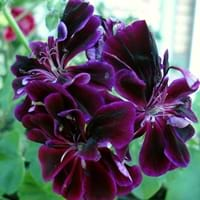
PELARGONIUM 'Balgalpipn'
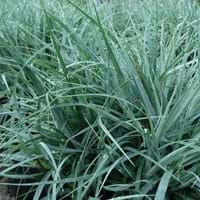
CAREX flacca
Common Name
Hybrid Ivy-leaved Geranium, Zonal Geranium
blue sedge, gray carex, glaucous sedge, carnation-grass
In Hindi
Pelargonium
ब्लू सेज
In German
Pelargonium
Blau-Segge
In French
Pelargonium
Bleu carex
In Spanish
Pelargonium
azul de la juncia
In Greek
Pelargonium
μπλε σπαθόχορτο
In Portuguese
pelargônio
azul Sedge
In Polish
Pelargonium
niebieski turzyca
In Latin
Pelargonium
blue Sedge
Phylum
Magnoliophyta
Magnoliophyta
Class
Magnoliopsida
Liliopsida
Order
Geraniales
Cyperales
Family
Geraniaceae
Cyperaceae
Clade
Angiosperms, Eudicots, Rosids
Angiosperms, Commelinids, Monocots
Tribe
Not Available
Not Available
Subfamily
Not Available
Not Available
Importance of Pelargonium and Blue Sedge
Want to have the most appropriate plant for your garden? You might want to know the importance of Pelargonium and Blue Sedge. Basically, these two plants vary in many aspects. Compare Pelargonium and Blue Sedge as they differ in many characteristics such as their life, care, benefits, facts, etc. Every gardener must at least have the slightest clue about the plants he wants to plant in his garden. Compare their benefits, which differ in many ways like facts and uses. The medicinal use of Pelargonium is Fever, Intestinal irritations, Kidney problems, Respiratory Disorders and Wounds whereas of Blue Sedge is Not Available. Pelargonium has beauty benefits as follows: Moisturizing and Skin cleanser while Blue Sedge has beauty benefits as follows: Moisturizing and Skin cleanser.
Compare Facts of Pelargonium vs Blue Sedge
How to choose the best garden plant for your garden depending upon its facts? Here garden plant comparison will help you to solve this query. Compare the facts of Pelargonium vs Blue Sedge and know which one to choose. As garden plants have benefits and other uses, allergy is also a major drawback of plants for some people. Allergic reactions of Pelargonium are Not Available whereas of Blue Sedge have Not Available respectively. Having a fruit bearing plant in your garden can be a plus point of your garden. Pelargonium has no showy fruits and Blue Sedge has no showy fruits. Also Pelargonium is not flowering and Blue Sedge is not flowering . You can compare Pelargonium and Blue Sedge facts and facts of other plants too.