Life Span
Perennial
Perennial
Type
Tree
Broadleaf Evergreen, Vines
Origin
United States, Mid-Atlantic United States, Southeastern United States, Central United States
India, Indonesia, Southeast Asia, Southern Asia
Types
Not Available
Red pepper, Orange pepper
Number of Varieties
Not Available
Habitat
Forest edges, Forest margins, Tropical regions
Moist Soils, orchards, Temperate Regions
USDA Hardiness Zone
3-7
8-15
Sunset Zone
Not Available
H1, H2, 8, 9, 14, 15, 16, 17, 18, 19, 20, 21, 22, 23, 24
Habit
Oval or Rounded
Clump-Forming
Minimum Width
Not Available
Flower Color
Light Yellow, Yellow green, Ivory
Lemon yellow
Flower Color Modifier
Bicolor
Bicolor
Fruit Color
Tan, Sienna
Red, Green, Light Green
Leaf Color in Spring
Green, Dark Green
Light Green, Dark Green
Leaf Color in Summer
Dark Green
Light Green
Leaf Color in Fall
Orange, Tan
Light Green, Dark Green
Leaf Color in Winter
Not Available
Light Green, Dark Green
Leaf Shape
Compound
Circular cordate
Plant Season
Spring, Summer, Fall
Spring, Summer, Fall, Winter
Sunlight
Full Sun, Partial Sun
Full Sun, Partial Sun, Partial shade
Type of Soil
Clay, Loam
Loam, Sand
The pH of Soil
Acidic, Neutral
Acidic, Neutral, Alkaline
Soil Drainage
Average
Average
Bloom Time
Late Spring
Not Available
Tolerances
Not Available
Drought
Where to Plant?
Ground
Container, Ground
How to Plant?
Seedlings
Seedlings, Stem Planting, Vegetative Reproduction
Plant Maintenance
Medium
Medium
Watering Requirements
Average Water Needs, Keep the ground moist but not water-logged
Do Not over Water, Sprinkle water over foliage, Water every two or three days during warmer months
In Summer
Lots of watering
Lots of watering
In Spring
Moderate
Moderate
In Winter
Average Water
Average Water
Soil pH
Acidic, Neutral
Acidic, Neutral, Alkaline
Soil Type
Clay, Loam
Loam, Sand
Soil Drainage Capacity
Average
Average
Sun Exposure
Full Sun, Partial Sun
Full Sun, Partial Sun, Partial shade
Pruning
Remove damaged leaves, Remove dead branches, Remove dead leaves
A hard prune may be necessary if the plant becomes woody, Remove dead branches, Trim each shoot back to the first set of leaves
Fertilizers
All-Purpose Liquid Fertilizer
10-10-10 diluted liquid fertilizer, All-Purpose Liquid Fertilizer, Do not let fertilizers touch the leaves
Pests and Diseases
Red blotch
Aphids, Beetles, Root rot, Rust, Scab
Plant Tolerance
Drought
Heat Tolerance, Humidity, Salt and Soil Compaction
Flowers
Showy
Not Available
Flower Petal Number
Not Available
Single
Foliage Texture
Coarse
Medium
Foliage Sheen
Matte
Matte
Attracts
Birds
Aphids, Leafminer, Snails, Squirrels
Allergy
Not Available
Oral Allergy
Aesthetic Uses
Not Used For Aesthetic Purpose
Beautification, Cottage Garden, Decorating walls
Beauty Benefits
Not Available
Acne, Blackheads
Environmental Uses
Air purification
Fixes Nitrogen, Insect Repellent
Medicinal Uses
Asthma, Cough, Intestinal irritations, Rheumatism
Acid Reflux, Dysentry, Healthy teeth, Inflammation, Oral health
Part of Plant Used
Fruits
Dried seeds
Other Uses
Culinary use
Culinary use, Oil is used for aromatherapy, Used in herbal medicines
Used As Indoor Plant
No
Yes
Used As Outdoor Plant
Yes
Yes
Garden Design
Screening / Wind Break, Shade Trees
Container, Feature Plant, Hedges, Screening / Wind Break, Tropical
Botanical Name
AESCULUS glabra
Piper nigrum
Common Name
Ohio Buckeye
Peppercorn, Piper, Black pepper
In Hindi
ओहियो बकेये
काली मिर्च
In German
Ohio buckeye
Pfeffer
In French
marronnier de l'Ohio
Piper nigrum
In Spanish
Ohio castaño de indias
Poivrier noir
In Greek
Οχάιο Buckeye
μαύρο πιπέρι
In Portuguese
Ohio Buckeye
Pimenta-preta
In Polish
Ohio kasztan
Pieprz czarny
In Latin
Ohio buckeye
nigrum piperis
Phylum
Magnoliophyta
Magnoliophyta
Class
Magnoliopsida
Magnoliopsida
Order
Sapindales
Piperales
Family
Hippocastanaceae
Piperaceae
Clade
Angiosperms, Eudicots, Rosids
Angiosperms, Monocots
Tribe
Not Available
Not Available
Subfamily
Hippocastanoideae
Not Available
Number of Species
Not Available
Importance of Ohio Buckeye and Black pepper
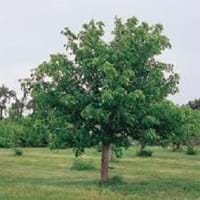
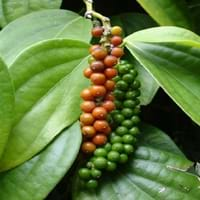
Want to have the most appropriate plant for your garden? You might want to know the importance of Ohio Buckeye and Black pepper. Basically, these two plants vary in many aspects. Compare Ohio Buckeye and Black pepper as they differ in many characteristics such as their life, care, benefits, facts, etc. Every gardener must at least have the slightest clue about the plants he wants to plant in his garden. Compare their benefits, which differ in many ways like facts and uses. The medicinal use of Ohio Buckeye is Asthma, Cough, Intestinal irritations and Rheumatism whereas of Black pepper is Acid Reflux, Dysentry, Healthy teeth, Inflammation and Oral health. Ohio Buckeye has beauty benefits as follows: Not Available while Black pepper has beauty benefits as follows: Not Available.
Compare Facts of Ohio Buckeye vs Black pepper
How to choose the best garden plant for your garden depending upon its facts? Here garden plant comparison will help you to solve this query. Compare the facts of Ohio Buckeye vs Black pepper and know which one to choose. As garden plants have benefits and other uses, allergy is also a major drawback of plants for some people. Allergic reactions of Ohio Buckeye are Not Available whereas of Black pepper have Oral Allergy respectively. Having a fruit bearing plant in your garden can be a plus point of your garden. Ohio Buckeye has showy fruits and Black pepper has no showy fruits. Also Ohio Buckeye is not flowering and Black pepper is not flowering . You can compare Ohio Buckeye and Black pepper facts and facts of other plants too.