Life Span
Perennial
Annual
Type
Flowering Plants
Tender Perennial
Origin
Mediterranean, North Africa, Northern America
Southern Asia, India, China, Melanesia, Micronesia, Australia
Types
Anthony Peak Lupine, Silver Bush, Garden Lupine, Spider Lupine, Adonis Lupine
Not Available
Habitat
Pine barrens, Sandy areas
agricultural areas, Moist Soils, Warmer regions
USDA Hardiness Zone
3-7
Not Available
AHS Heat Zone
8-1
Not Available
Sunset Zone
1a, 1b, 2a, 2b, 3a, 3b, 4, 5, 6, 7, 14, 15, 16, 17
Not Available
Habit
Upright/Erect
Clump-Forming
Flower Color
Blue, Pink, White
White, Red, Green, Orange, Pink, Magenta, Fuchsia, Rose, Lavender
Flower Color Modifier
Not Available
Bicolor
Fruit Color
Not Available
Not Available
Leaf Color in Spring
Light Green
Green, Dark Green
Leaf Color in Summer
Green
Green, Dark Green
Leaf Color in Fall
Green
Green, Dark Green
Leaf Color in Winter
Not Available
Light Green
Leaf Shape
Oblovate
Linear
Plant Season
Summer
Not Available
Sunlight
Full Sun, Part sun
Partial Sun
Type of Soil
Loose, Moist
Not Available
The pH of Soil
Slightly Acidic
Not Available
Soil Drainage
Well drained
Moist
Bloom Time
Late Spring, Summer
Indeterminate
Repeat Bloomer
No
Not Available
Tolerances
Not Available
Drought
Where to Plant?
Ground
Container, Ground
How to Plant?
Seedlings
From Rhizomes
Plant Maintenance
Medium
Medium
Watering Requirements
Form a Soil ring to water efficiently, Keep the ground moist but not water-logged, Requires a lot of watering, Water in morning to avoid prompting diseases
Do Not over Water, Keep ground moist
In Summer
Lots of watering
Adequately
In Spring
Moderate
Moderate
In Winter
Average Water
Less Watering
Soil pH
Slightly Acidic
Not Available
Soil Type
Loose, Moist
Not Available
Soil Drainage Capacity
Well drained
Not Available
Sun Exposure
Full Sun, Part sun
Partial Sun
Pruning
Prune ocassionally
Remove damaged leaves, Remove dead branches, Remove dead leaves
Fertilizers
All-Purpose Liquid Fertilizer
All-Purpose Liquid Fertilizer
Pests and Diseases
Aphids, Fusarium wilt, Root rot, Thripes
Bacteria wilt, Bacterial Blight, Rhizome rot, Root knot nematode
Plant Tolerance
Drought
Drought
Flower Petal Number
Single
Single
Fragrant Fruit
No
Not Available
Fragrant Leaf
No
Not Available
Fragrant Bark/Stem
No
Not Available
Foliage Texture
Medium
Not Available
Foliage Sheen
Matte
Not Available
Self-Sowing
Yes
Not Available
Attracts
Bees
Butterflies, Flying insects
Allergy
Abdominal pain, Asthma, Nausea, Swelling in the face, Vomiting
Heartburn, Stomach burn
Aesthetic Uses
Showy Purposes
Beautification, Ground Cover
Beauty Benefits
Not Available
Acne, For treating wrinkles, Nourishes scalp, Speed hair growth
Environmental Uses
Air purification
Indoor Air Purification, Provides ground cover, soil stabilisation
Medicinal Uses
Anthelmintic, Diuretic, Treatment of ulcers
Cold, Dysentry, High cholestrol, Rheumatoid arthritis, Skin Disorders, Treat Parasitic Intestinal Worms, Weight management and satiety
Part of Plant Used
Flowers, Seeds
Leaves, Rhizomes
Other Uses
Showy Purposes, Used as Ornamental plant, Used for fragrance
Can be made into a herbal tea, Cosmetics, Oil is used in perfume, soaps, creams, etc., Used as Ornamental plant, Used as a spice
Used As Indoor Plant
No
Yes
Used As Outdoor Plant
Yes
Yes
Garden Design
Bedding Plant, Container, Feature Plant, Foundation, Rock Garden
Container, Cutflower, Houseplant, Tropical
Botanical Name
Lupinus
CURCUMA
Common Name
Hybrid Lupine
Ginger
In Hindi
वृक संयंत्र
अदरक
In French
usine de lupin
Gingembre
In Spanish
planta de lupino
Jengibre
In Greek
φυτό λούπινο
Τζίντζερ
In Portuguese
tremoço planta
Gengibre
In Polish
łubin roślin
Imbir
In Latin
Plinio herba
gingiber
Phylum
Magnoliophyta
Magnoliophyta
Class
Magnoliopsida
Liliopsida
Order
Fabales
Zingiberales
Family
Fabaceae
Zingiberaceae
Genus
Lupinus
Zingiber Mill.
Clade
Not Available
Angiosperms, Commelinids, Monocots
Tribe
Not Available
Not Available
Subfamily
Faboideae
Not Available
Number of Species
Not Available
Importance of Lupine and Ginger Plant
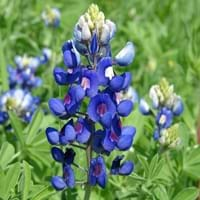
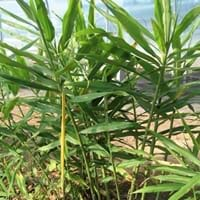
Want to have the most appropriate plant for your garden? You might want to know the importance of Lupine and Ginger Plant. Basically, these two plants vary in many aspects. Compare Lupine and Ginger Plant as they differ in many characteristics such as their life, care, benefits, facts, etc. Every gardener must at least have the slightest clue about the plants he wants to plant in his garden. Compare their benefits, which differ in many ways like facts and uses. The medicinal use of Lupine is Anthelmintic, Diuretic and Treatment of ulcers whereas of Ginger Plant is Cold, Dysentry, High cholestrol, Rheumatoid arthritis, Skin Disorders, Treat Parasitic Intestinal Worms and Weight management and satiety. Lupine has beauty benefits as follows: Not Available while Ginger Plant has beauty benefits as follows: Not Available.
Compare Facts of Lupine vs Ginger Plant
How to choose the best garden plant for your garden depending upon its facts? Here garden plant comparison will help you to solve this query. Compare the facts of Lupine vs Ginger Plant and know which one to choose. As garden plants have benefits and other uses, allergy is also a major drawback of plants for some people. Allergic reactions of Lupine are Abdominal pain, Asthma, Nausea, Swelling in the face and Vomiting whereas of Ginger Plant have Heartburn and Stomach burn respectively. Having a fruit bearing plant in your garden can be a plus point of your garden. Lupine has no showy fruits and Ginger Plant has no showy fruits. Also Lupine is flowering and Ginger Plant is not flowering . You can compare Lupine and Ginger Plant facts and facts of other plants too.