Life Span
Perennial
Perennial
Type
Fruit
Flowering Plants, Shrubs, Vines
Origin
Southeastern Asia
Southern Africa
Types
Not Available
Arabian jasmine, Sambac jasmine, Gold Coast jasmine
Number of Varieties
Not Available
Habitat
Subtropical climates, Tropical regions
Forest edges, Hillside, Woods
USDA Hardiness Zone
10-14
Not Available
Sunset Zone
H1, H2, 22, 23, 24
8, 9, 13, 14, 15, 16, 17, 18, 19, 20, 21, 22, 23, 24
Habit
Arching/Fountain-shaped
Upright/Erect
Flower Color
Pink, Rose, Violet
Pale White, White
Flower Color Modifier
Bicolor
Not Available
Fruit Color
Yellow, Orange, Light Yellow, Lemon yellow, Yellow green, Gold
Black, Brown
Leaf Color in Spring
Green
Gray Green
Leaf Color in Summer
Green
Gray Green
Leaf Color in Fall
Green
Gray Green
Leaf Color in Winter
Light Green
Gray Green
Leaf Shape
Oblovate
Oblovate
Plant Season
Spring, Summer, Fall
Spring, Summer, Fall, Winter
Sunlight
Full Sun, Partial Sun
Full Sun, Partial Sun
Type of Soil
Loam, Sand
Loam, Sand
The pH of Soil
Acidic, Neutral
Acidic, Neutral, Alkaline
Soil Drainage
Average
Well drained
Bloom Time
Early Spring, Spring, Late Spring, Early Summer, Summer, Late Summer
Early Spring, Spring, Late Winter
Where to Plant?
Ground
Container
How to Plant?
Seedlings, Stem Planting
Seedlings, Stem Planting
Plant Maintenance
Low
Medium
Watering Requirements
Average Water Needs, Requires watering in the growing season
Do Not over Water, Requires regular watering
In Summer
Lots of watering
Lots of watering
In Spring
Moderate
Moderate
In Winter
Average Water
Average Water
Soil pH
Acidic, Neutral
Acidic, Neutral, Alkaline
Soil Type
Loam, Sand
Loam, Sand
Soil Drainage Capacity
Average
Well drained
Sun Exposure
Full Sun, Partial Sun
Full Sun, Partial Sun
Pruning
Prune in winter, Remove damaged leaves, Remove dead leaves
Proper mowing practices are necessary, Prune after flowering
Fertilizers
Fertilize every year
Compost, Fertilize the soil before planting, General garden fertilizer
Pests and Diseases
Red blotch
Caterpillars, Leaf curl, Mildew
Plant Tolerance
Drought
Humidity, Salt and Soil Compaction, Shade areas
Flower Petal Number
Single
Single
Foliage Texture
Medium
Bold
Foliage Sheen
Glossy
Matte
Attracts
Birds, Butterflies
Butterflies, Hummingbirds
Allergy
Kidney Stone
Chest tightness, Nausea, Vomiting
Aesthetic Uses
Not Used For Aesthetic Purpose
Hanging Basket, small hedge
Beauty Benefits
Not Available
Good for the Scalp, Makes teeth white, Provides herbal hair care, Skin cleanser
Environmental Uses
Air purification, Food for birds, Food for insects, Nesting sites for birds, Prevent Soil Erosion
Air purification, Indoor Air Purification, Insect Repellent
Medicinal Uses
Anti-oxidant, Antioxidants, High blood pressure, Nutrients
Fever, Kidney problems, Urinary tract problems
Part of Plant Used
Fruits, Seeds
Flowers, Root
Other Uses
Oil is used in perfume, soaps, creams, etc., Used As Food, Used for its medicinal properties
Basketary, Cosmetics, Oil is used for aromatherapy, Oil is used in mosquito repellents, Oil is used in perfume, soaps, creams, etc., Used for fragrance
Used As Indoor Plant
No
Yes
Used As Outdoor Plant
Yes
Yes
Garden Design
Edible, Fruit / Fruit Tree, Tropical
Container, Feature Plant, Foundation, Hedges, Mixed Border, Rock Garden, Wall, Tropical
Botanical Name
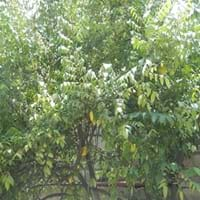
AVERRHOA carambola
ALOE arborescens
Common Name
Carambola, Starfruit
Hydrangea or hortensia
In Hindi
carambola पेड़
चमेली
In German
Sternfrucht Baum
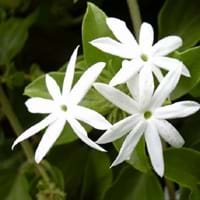
Jasmin
In French
arbre carambole
Jasmin
In Spanish
árbol de carambola
Hortensia
In Greek
carambola δέντρο
υδραγεία
In Portuguese
árvore de carambola
Jasmin
In Polish
karambola drzewo
Jasmin
In Latin
carambola ligno
Jasmin
Phylum
Tracheophyta
Magnoliophyta
Class
Magnoliopsida
Magnoliopsida
Order
Oxalidales
Scrophulariales
Family
Oxalidaceae
Aloaceae
Clade
Angiosperms, Eudicots, Rosids
Angiosperms, Asterids
Tribe
Not Available
Jasmineae
Subfamily
Not Available
Not Available
Importance of Carambola and Jasmine
Want to have the most appropriate plant for your garden? You might want to know the importance of Carambola and Jasmine. Basically, these two plants vary in many aspects. Compare Carambola and Jasmine as they differ in many characteristics such as their life, care, benefits, facts, etc. Every gardener must at least have the slightest clue about the plants he wants to plant in his garden. Compare their benefits, which differ in many ways like facts and uses. The medicinal use of Carambola is Anti-oxidant, Antioxidants, High blood pressure and Nutrients whereas of Jasmine is Fever, Kidney problems and Urinary tract problems. Carambola has beauty benefits as follows: Not Available while Jasmine has beauty benefits as follows: Not Available.
Compare Facts of Carambola vs Jasmine
How to choose the best garden plant for your garden depending upon its facts? Here garden plant comparison will help you to solve this query. Compare the facts of Carambola vs Jasmine and know which one to choose. As garden plants have benefits and other uses, allergy is also a major drawback of plants for some people. Allergic reactions of Carambola are Kidney Stone whereas of Jasmine have Chest tightness, Nausea and Vomiting respectively. Having a fruit bearing plant in your garden can be a plus point of your garden. Carambola has showy fruits and Jasmine has no showy fruits. Also Carambola is not flowering and Jasmine is not flowering . You can compare Carambola and Jasmine facts and facts of other plants too.