Life Span
Perennial
Perennial
Origin
United States, Northeastern United States, Mid-Atlantic United States, Southeastern United States, North-Central United States, Central United States, South-Central United States, Texas
Caribbean
Types
Virginia water horehound
Jacaranda mimosifolia, Jacaranda brasiliana
Number of Varieties
Not Available
Habitat
Along Railroads, Barren waste areas, Hill prairies, Mined land, Pastures, Roadsides, Rocky glades, Sandy areas, Upland, Upland clay prairies, Upland sand prairies, Upland sandy savannas, Upland savannas, Upland soils
along watercourse, Cold Regions, Grassland, River side
USDA Hardiness Zone
5-8
10-12
Sunset Zone
Not Available
H1, H2, 22, 23, 24
Habit
Clump-Forming
Oval or Rounded
Flower Color
Not Available
White, Lavender, Blue Violet
Flower Color Modifier
Bicolor
Bicolor
Fruit Color
Not Available
Brown
Leaf Color in Spring
Green
Green, Dark Green
Leaf Color in Summer
Light Green
Green, Dark Green
Leaf Color in Fall
Orange, Tan, Brown
Green, Dark Green
Leaf Color in Winter
Tan, Sandy Brown
Not Available
Leaf Shape
Grass like
feather-shaped
Plant Season
Summer, Fall, Winter
Spring
Sunlight
Full Sun, Partial Sun, Partial shade
Full Sun
Type of Soil
Loam, Sand
Loam, Sand
The pH of Soil
Acidic, Neutral, Alkaline
Neutral, Alkaline
Soil Drainage
Well drained
Well drained
Bloom Time
Early Fall, Fall
Early Spring, Spring, Late Spring
Tolerances
Pollution, Drought
Drought, Frost
Where to Plant?
Ground
Ground
How to Plant?
Divison, Root Division, Seedlings
Seedlings, Transplanting
Plant Maintenance
Medium
Low
Watering Requirements
Average Water Needs, Medium
Use Mulches to help prevent water loss during hot and windy weather, Water daily during growing season, Water more in summer
In Summer
Lots of watering
Lots of watering
In Spring
Moderate
Moderate
In Winter
Average Water
Average Water
Soil pH
Acidic, Neutral, Alkaline
Neutral, Alkaline
Soil Type
Loam, Sand
Loam, Sand
Soil Drainage Capacity
Well drained
Well drained
Sun Exposure
Full Sun, Partial Sun, Partial shade
Full Sun
Pruning
Remove damaged leaves, Remove dead branches, Remove dead leaves
No pruning needed, Remove damaged leaves, Remove dead branches
Fertilizers
All-Purpose Liquid Fertilizer
All-Purpose Liquid Fertilizer, Compost, fertilize in growing season, Fertilize the soil before planting
Pests and Diseases
Red blotch
Aphids, Phytophthora, Red blotch, Root rot
Plant Tolerance
Drought
Drought
Flowers
Insignificant
Showy
Flower Petal Number
Single
Single
Foliage Texture
Fine
Fine
Foliage Sheen
Matte
Matte
Attracts
Birds, Butterflies
Bees, Birds, Butterflies, Hummingbirds
Allergy
Pollen
allergic conjunctivitis, Dizziness, sneezing
Aesthetic Uses
Not Used For Aesthetic Purpose
Beautification, Showy Purposes
Beauty Benefits
Not Available
Acne, For treating wrinkles, Improve skin condition, Not Available, Skin inflammation
Edible Uses
Insignificant
No
Environmental Uses
Air purification, Food for birds, Wildlife
Nesting sites for birds, Shadow Tree
Medicinal Uses
Back pain, Diarrhea, Frostbite, Itching, Piles, Sore Eyes, Sore throat
Acne, anti-allergy, Antibacterial, Antiseptic, Treating fever, Varicose veins
Part of Plant Used
Root, Seeds, Stem
Bark, Fruits, Leaves
Other Uses
Cattle Fodder, Used As Food, Used as Ornamental plant
Beneficial species for attracting pollinators, Used as firewood, Used as Ornamental plant
Used As Indoor Plant
No
No
Used As Outdoor Plant
Yes
Yes
Garden Design
Dried Flower/Everlasting, Wildflower
Feature Plant, Foundation, Mixed Border, Shade Trees, Tropical
Botanical Name
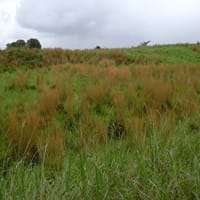
ANDROPOGON virginicus
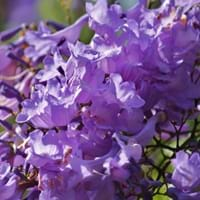
JACARANDA caerulea
Common Name
Broomsedge, Broomsedge Bluestem
Cancer Tree, Caribbean Jacaranda, Green Ebony
In Hindi
Broomsedge grass
Neeli Gulmohur
In German
broomsedge Gras
Palisanderholzbaum
In French
broomsedge herbe
Flamboyant bleu
In Spanish
hierba Broomsedge
Jacaranda mimosifolia
In Greek
Broomsedge γρασίδι
Jacaranda mimosifolia
In Portuguese
Broomsedge grama
Jacarandá-mimoso
In Polish
Broomsedge trawy
Jakaranda mimozolistna
In Latin
Broomsedge herba
Jacaranda mimosifolia
Phylum
Magnoliophyta
Magnoliophyta
Class
Liliopsida
Magnoliopsida
Order
Cyperales
Scrophulariales
Family
Poaceae
Bignoniaceae
Genus
Andropogon
Jacaranda
Clade
Angiosperms, Commelinids, Monocots
Asterids
Tribe
Andropogoneae
Not Available
Subfamily
Panicoideae
Not Available
Number of Species
Not Available
Importance of Broomsedge and Jacaranda
Want to have the most appropriate plant for your garden? You might want to know the importance of Broomsedge and Jacaranda. Basically, these two plants vary in many aspects. Compare Broomsedge and Jacaranda as they differ in many characteristics such as their life, care, benefits, facts, etc. Every gardener must at least have the slightest clue about the plants he wants to plant in his garden. Compare their benefits, which differ in many ways like facts and uses. The medicinal use of Broomsedge is Back pain, Diarrhea, Frostbite, Itching, Piles, Sore Eyes and Sore throat whereas of Jacaranda is Acne, anti-allergy, Antibacterial, Antiseptic, Treating fever and Varicose veins. Broomsedge has beauty benefits as follows: Not Available while Jacaranda has beauty benefits as follows: Not Available.
Compare Facts of Broomsedge vs Jacaranda
How to choose the best garden plant for your garden depending upon its facts? Here garden plant comparison will help you to solve this query. Compare the facts of Broomsedge vs Jacaranda and know which one to choose. As garden plants have benefits and other uses, allergy is also a major drawback of plants for some people. Allergic reactions of Broomsedge are Pollen whereas of Jacaranda have allergic conjunctivitis, Dizziness and sneezing respectively. Having a fruit bearing plant in your garden can be a plus point of your garden. Broomsedge has no showy fruits and Jacaranda has showy fruits. Also Broomsedge is not flowering and Jacaranda is not flowering . You can compare Broomsedge and Jacaranda facts and facts of other plants too.