Life Span
Perennial
Annual
Type
Tender Perennial
Herbs
Origin
Mediterranean
Not Available
Types
Blue Anemone, Greek Windflower, Carolina Anemone, Chinese Anemone
Topeka Purple Coneflower, Pale Purple Coneflower
Number of Varieties
Not Available
Habitat
Wild
open Woodlands, Roadsides
USDA Hardiness Zone
8-12
4-10
Sunset Zone
4, 5, 6, 7, 8, 9, 10, 11, 12, 13, 14, 15, 16, 17, 18, 19, 20, 21, 22, 23, 24
1a, 1b, 2a, 2b, 3a, 3b, 4, 5, 6, 7, 8, 9, 10, 11, 12, 13, 14, 15, 16, 17, 18, 19, 20, 21, 22, 23, 24
Habit
Clump-Forming
Clump-Forming
Minimum Height
Not Available
Minimum Width
Not Available
Flower Color
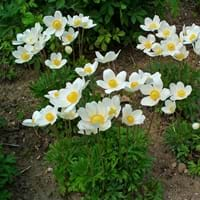
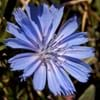
Sky Blue
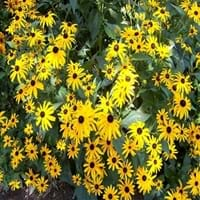
Yellow, Gold, Chocolate
Flower Color Modifier
Not Available
Bicolor
Fruit Color
Not Available
Chocolate, Black
Leaf Color in Spring
Green
Green
Leaf Color in Summer
Yellow, Green
Green
Leaf Color in Fall
Not Available
Green, Yellow green
Leaf Color in Winter
Not Available
Light Green
Leaf Shape
Compound
Elliptic
Plant Season
Spring
Summer, Fall
Sunlight
Partial Sun, Partial shade
Full Sun
Type of Soil
Loam
Clay, Loam
The pH of Soil
Acidic, Neutral
Acidic, Neutral, Alkaline
Soil Drainage
Average
Average
Bloom Time
Early Spring, Spring, Late Spring, Early Summer
Early Summer, Summer, Late Summer, Early Fall
Tolerances
Salt
Rocky Soil
Where to Plant?
Ground, Pot
Container, Ground, Pot
How to Plant?
Seedlings
Seedlings, Stem Planting
Plant Maintenance
Medium
Medium
Watering Requirements
Medium, Prefer drip-irrigation instead of Over-head watering, Use Mulches to help prevent water loss during hot and windy weather, Water Deeply
Do Not over Water, Do not water frequently, Never Over-water, Requires regular watering
In Summer
Lots of watering
Lots of watering
In Spring
Moderate
Moderate
In Winter
Average Water
Average Water
Soil pH
Acidic, Neutral
Neutral, Slightly Acidic
Soil Type
Loam
Loamy, Well drained
Soil Drainage Capacity
Average
Loamy, Sandy, Well drained
Sun Exposure
Partial Sun, Partial shade
Full Shade, Partial Sun
Pruning
Prune prior to new growth, Remove dead or diseased plant parts, Remove deadheads
Prune after flowering, Prune to stimulate growth, Remove damaged leaves, Remove dead leaves, Remove dead or diseased plant parts, Remove deadheads
Fertilizers
All-Purpose Liquid Fertilizer
as it is a flowering plant, use high phosphorous content fertilizer, fertilize in growing season, fertilize in spring, organic fertlizers
Pests and Diseases
Botrytis collar rot, Crown gall, Cucumber mosaic, Downy mildew, Impatiens necrotic spot, Leaf curl, Phytophthora, Rhizoctonia crown rot, Root rot, Rust, Sclerotinia blight, Southern blight
Beetles, Grasshoppers, Leafhoppers, Powdery mildew, Red blotch, Slugs, Snails
Plant Tolerance
Drought
Rocky Soil
Flower Petal Number
Single
Single
Foliage Texture
Fine
Medium
Foliage Sheen
Matte
Matte
Attracts
Not Available
Birds, Butterflies
Allergy
Skin irritation
Avoid during Pregnancy, Dizziness, Headache, Nausea, Rash, Vomiting
Aesthetic Uses
Not Used For Aesthetic Purpose
Beautification, Landscape Designing, Showy Purposes
Beauty Benefits
Not Available
Not Available
Environmental Uses
Air purification
Air purification, Food for insects, Prevent Soil Erosion, Versatility, Very little waste
Medicinal Uses
Asthma, Cough, Gout, Menstrual Disorders, Stomach pain
Cold, Ear ache, Eczema, Eye Problems, Headache, Migraines, Urinary tract problems
Part of Plant Used
Flowers, Leaves
Leaves
Other Uses
Not Available
Air freshner, Decoration Purposes, Showy Purposes, Used as Ornamental plant
Used As Indoor Plant
No
Yes
Used As Outdoor Plant
Yes
Yes
Garden Design
Bedding Plant, Container, Mixed Border, Rock Garden / Wall, Wildflower
Container
Botanical Name
ANEMONE 'Harmony Blue'( HARMONY SERIES)
RUDBECKIA 'Tigereye'
Common Name
Anemone, Harmony Blue Anemone
Coneflower, TigerEye Black-eyed Susan, TigerEye Coneflower
In Hindi
रत्नज्योति
coneflower
In German
Anemone
Sonnenhut
In French
Anémone
coneflower
In Spanish
Anémona
equinácea
In Greek
ανεμώνη
coneflower
In Portuguese
Relutantemente
Coneflower
In Polish
Zawilec
jeżówka
In Latin
VivoSocial
coneflower
Phylum
Magnoliophyta
Echinodermata
Class
Magnoliopsida
Magnoliopsida
Order
Ranunculales
Asterales
Family
Ranunculaceae
Asteraceae
Clade
Not Available
Angiosperms, Asterids, Eudicots
Tribe
Not Available
Heliantheae
Subfamily
Not Available
Asteroideae
Importance of Anemone and Coneflower
Want to have the most appropriate plant for your garden? You might want to know the importance of Anemone and Coneflower. Basically, these two plants vary in many aspects. Compare Anemone and Coneflower as they differ in many characteristics such as their life, care, benefits, facts, etc. Every gardener must at least have the slightest clue about the plants he wants to plant in his garden. Compare their benefits, which differ in many ways like facts and uses. The medicinal use of Anemone is Asthma, Cough, Gout, Menstrual Disorders and Stomach pain whereas of Coneflower is Cold, Ear ache, Eczema, Eye Problems, Headache, Migraines and Urinary tract problems. Anemone has beauty benefits as follows: Not Available while Coneflower has beauty benefits as follows: Not Available.
Compare Facts of Anemone vs Coneflower
How to choose the best garden plant for your garden depending upon its facts? Here garden plant comparison will help you to solve this query. Compare the facts of Anemone vs Coneflower and know which one to choose. As garden plants have benefits and other uses, allergy is also a major drawback of plants for some people. Allergic reactions of Anemone are Skin irritation whereas of Coneflower have Avoid during Pregnancy, Dizziness, Headache, Nausea, Rash and Vomiting respectively. Having a fruit bearing plant in your garden can be a plus point of your garden. Anemone has no showy fruits and Coneflower has no showy fruits. Also Anemone is not flowering and Coneflower is not flowering . You can compare Anemone and Coneflower facts and facts of other plants too.