Life Span
Annual
Perennial
Origin
Africa, Southern Africa
Hybrid origin, Mexico, Central America, South America
Types
Cathay Belle
Diana
Gold Baby
Gold Flower
Golden Midget
Golden Sunrise
Not Available
Number of Varieties
Not Available
Habitat
Subtropical climates, Tropical regions
Coastal Regions
USDA Hardiness Zone
Not Available
11-15
Sunset Zone
H1, H2, 1a, 1b, 2a, 2b, 3a, 3b, 4, 5, 6, 7, 8, 9, 10, 11, 12, 13, 14, 15, 16, 17, 18, 19, 20, 21, 22, 23, 24
A1, A2, A3, H1, H2, 1a, 1b, 2a, 2b, 3a, 3b, 4, 5, 6, 7, 8, 9, 10, 11, 12, 13, 14, 15, 16, 17, 18, 19, 20, 21, 22, 23, 24
Habit
Prostrate/Trailing
Upright/Erect
Flower Color
Yellow
Yellow
Flower Color Modifier
Bicolor
Bicolor
Fruit Color
Yellow, Light Yellow, Dark Green, Black
Red
Leaf Color in Spring
Green, Gray Green, Light Yellow
Green, Dark Green
Leaf Color in Summer
Green, Gray Green, Light Yellow
Green, Dark Green
Leaf Color in Fall
Green, Gray Green, Light Yellow
Green, Dark Green
Leaf Color in Winter
Not Available
Green, Dark Green
Plant Season
Summer, Fall
Spring, Summer, Fall
Sunlight
Full Sun
Full Sun
Growth Rate
Very Fast
Fast
Type of Soil
Loam
Loam, Sand
The pH of Soil
Neutral
Neutral
Soil Drainage
Well drained
Well drained
Bloom Time
Indeterminate
Indeterminate
Tolerances
Drought
Drought
Where to Plant?
Ground
Container, Ground
How to Plant?
Seedlings
Grafting, Seedlings
Plant Maintenance
Medium
Medium
Watering Requirements
Keep the ground moist but not water-logged, Over-watering can cause leaf problems or root diseases, Requires regular watering
Needs more water during establishment
In Summer
Lots of watering
Lots of watering
In Spring
Moderate
Moderate
In Winter
Average Water
Average Water
Soil pH
Neutral, Slightly Acidic
Neutral
Soil Type
Loam
Loam, Sand
Soil Drainage Capacity
Well drained
Well drained
Sun Exposure
Full Sun
Full Sun
Pruning
Remove damaged leaves, Remove dead branches, Remove dead leaves
Pinch or prune as they grow to promote branching and bushiness
Fertilizers
All-Purpose Liquid Fertilizer, Nitrogen, Water soluble fertilizers
14-14-14 Fertilizer, Compost
Pests and Diseases
Aphids, Bacterial fruit blotch, Cabbage looper, Cucumber mosaic, Cutworms, Red blotch
Anthracnose, Aphids, Red blotch, Rust
Plant Tolerance
Drought
Heat Tolerance, Salt and Soil Compaction
Flower Petal Number
Single
Single
Fragrant Bark/Stem
No
Yes
Foliage Texture
Coarse
Medium
Foliage Sheen
Matte
Matte
Attracts
Not Available
Aphids, Not Available, Squirrels
Allergy
Not Available
Stomach pain, Vomiting
Aesthetic Uses
Not Used For Aesthetic Purpose
Used in parkland
Beauty Benefits
Not Available
Anti-ageing, Blackheads, Reduce Bruises
Environmental Uses
Air purification
Shadow Tree, Soil protection
Medicinal Uses
Nutrients, Vitamin C
Dehydration, Diabetes, Diarrhea, Nutrients, Weight loss
Part of Plant Used
Fruits
Fruits
Other Uses
Used As Food
Application in Handicrafts, Food for animals, Showy Purposes
Used As Indoor Plant
No
No
Used As Outdoor Plant
Yes
Yes
Garden Design
Edible, Fruit / Fruit Tree, Herb / Vegetable, Tropical, Vine
Edible, Herb, Vegetable
Botanical Name
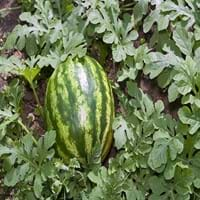
CITRULLUS lanatus 'Moon and Stars'
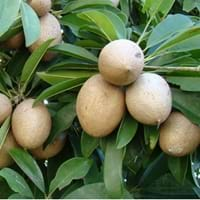
Manilkara zapota
Common Name
Moon and Stars Watermelon, Watermelon
sapodilla , chikoo, Sapota
In German
Wassermelone
Breiapfelbaum
In French
Pastèque
Sapotillier
In Greek
καρπούζι
sapodilla
In Portuguese
melancia
sapodilla
In Polish
arbuz
Pigwica właściwa, sapodilla
Phylum
Magnoliophyta
Magnoliophyta
Class
Magnoliopsida
Magnoliopsida
Order
Cucurbitales
Ericales
Family
Cucurbitaceae
Sapotaceae
Clade
Angiosperms, Eudicots, Rosids
Angiosperms, Asterids, Eudicots
Tribe
Not Available
Sapoteae
Subfamily
Not Available
Sapotoideae
Number of Species
Not Available
Season and Care of Watermelon and Sapodilla
Season and care of Watermelon and Sapodilla is important to know. While considering everything about Watermelon and Sapodilla Care, growing season is an essential factor. Watermelon season is Summer and Fall and Sapodilla season is Summer and Fall. The type of soil for Watermelon is Loam and for Sapodilla is Loam, Sand while the PH of soil for Watermelon is Neutral and for Sapodilla is Neutral.
Watermelon and Sapodilla Physical Information
Watermelon and Sapodilla physical information is very important for comparison. Watermelon height is 30.00 cm and width 240.00 cm whereas Sapodilla height is 150.00 cm and width 60.00 cm. The color specification of Watermelon and Sapodilla are as follows:
Watermelon flower color: Yellow
Watermelon leaf color: Green, Gray Green and Light Yellow
Sapodilla flower color: Yellow
- Sapodilla leaf color: Green and Dark Green
Care of Watermelon and Sapodilla
Care of Watermelon and Sapodilla include pruning, fertilizers, watering etc. Watermelon pruning is done Remove damaged leaves, Remove dead branches and Remove dead leaves and Sapodilla pruning is done Pinch or prune as they grow to promote branching and bushiness. In summer Watermelon needs Lots of watering and in winter, it needs Average Water. Whereas, in summer Sapodilla needs Lots of watering and in winter, it needs Average Water.