Life Span
Perennial
Perennial
Origin
Eastern Europe, Western Asia
Southeastern United States, Caribbean, Central America, South America
Types
Not available
Not Available
Habitat
disturbed sites, Forest edges, gardens, Open Forest, Roadsides, Swamps, Urban areas
Rocky coastal hummocks, sand dunes
USDA Hardiness Zone
3-7
9-15
Sunset Zone
1a, 1b, 2a, 2b, 3a, 3b, 4, 5, 6, 7, 8, 9, 14
H2, 24
Habit
Oval or Rounded
Oval or Rounded
Flower Color
Light Green, Ivory
White
Flower Color Modifier
Bicolor
Bicolor
Fruit Color
Red, Crimson
Red, Purple, Yellow green
Leaf Color in Spring
Green
Red, Olive, Bronze
Leaf Color in Summer
Green
Red, Olive
Leaf Color in Fall
Yellow, Red, Orange, Gold, Crimson
Red, Olive, Bronze
Leaf Color in Winter
Not Available
Red, Olive, Bronze
Plant Season
Spring, Summer, Fall
Spring, Summer, Fall, Winter
Sunlight
Full Sun, Partial Sun
Full Sun, Partial Sun
Growth Rate
Medium
Medium
Type of Soil
Loam
Loam, Sand
The pH of Soil
Acidic, Neutral, Alkaline
Neutral, Alkaline
Soil Drainage
Well drained
Well drained
Bloom Time
Early Spring, Spring
Spring, Late Spring, Early Summer, Summer, Late Summer, Early Fall
Tolerances
Drought, Pollution, Salt, Shade areas, Soil Compaction
Pollution, Drought, Salt, Soil Compaction
Where to Plant?
Ground
Ground
How to Plant?
Layering, Leaf Cutting, Seedlings, Stem Cutting
Seedlings
Plant Maintenance
Low
Medium
Watering Requirements
Keep ground moist, Medium, Requires consistently moist soil
Average Water Needs, Do Not over Water
In Summer
Lots of watering
Lots of watering
In Spring
Moderate
Moderate
In Winter
Keep Slightly Dry
Average Water
Soil pH
Acidic, Neutral, Alkaline
Neutral, Alkaline
Soil Type
Loam
Loam, Sand
Soil Drainage Capacity
Well drained
Well drained
Sun Exposure
Full Sun, Partial Sun
Full Sun, Partial Sun
Pruning
Pruning in early stages, Remove damaged leaves, Remove dead branches, Remove dead leaves
Remove dead branches
Fertilizers
All-Purpose Liquid Fertilizer, Bonsai
6-6-6 or 8-8-8
Pests and Diseases
Aphids, Borers, Honey fungus, Red blotch, Soft scales
Fungal Diseases
Plant Tolerance
Drought, Pollution, Salt, Shade areas, Soil Compaction
Drought
Flowers
Showy
Insignificant
Flower Petal Number
Not Available
Not Available
Foliage Texture
Medium
Bold
Foliage Sheen
Glossy
Glossy
Attracts
Deers, Not Available, Rabbits, Squirrels
Birds
Allergy
Not Available
Pollen
Aesthetic Uses
Beautification, Cottage Garden, Showy Purposes
Ground Cover
Beauty Benefits
Not Available
Good for skin, Makes Hair Silkier
Environmental Uses
Agroforestry, Wildlife, Windbreak
Protects from storm-induced erosion
Medicinal Uses
Astringent
Diaphoretic, Diuretic, Febrifuge, Tonic
Part of Plant Used
Fruits, Leaves
Bark, Fruits, Leaves
Other Uses
As a tea substitute, Florist trade and landscaping, Food for animals, Showy Purposes
Jam
Used As Indoor Plant
No
No
Used As Outdoor Plant
Yes
Yes
Garden Design
Feature Plant, Foundation, Hedges, Mixed Border, Screening / Wind Break, Street Trees
Container, Edible, Feature Plant, Fruit / Fruit Tree, Hedges, Screening / Wind Break, Shade Trees, Street Trees, Topiary / Bonsai / Espalier, Tropical
Botanical Name
Acer ginnala
COCCOLOBA uvifera
Common Name
Amur Maple
Sea Grape
In Hindi
अमुर मेपल
सागर अंगूर
In German
Amur-Ahorn
Sea Grape
In French
érable de l'Amour
Sea Grape
In Spanish
arce de Amur
Sea Grape
In Greek
Amur Maple
Sea σταφυλιών
In Portuguese
de bordo amur
Sea Grape
In Polish
klon amur
Sea Grape
In Latin
amur acernis
Uva mare
Phylum
Magnoliophyta
Magnoliophyta
Class
Magnoliopsida
Magnoliopsida
Order
Sapindales
Caryophyllales
Family
Aceraceae
Polygonaceae
Clade
Angiosperms, Eudicots, Rosids
Angiosperms, Core eudicots, Eudicots
Tribe
Not Available
Coccolobeae
Subfamily
Hippocastanoideae
Eriogonoideae
Number of Species
Not Available
Season and Care of Amur Maple and Sea Grape
Season and care of Amur Maple and Sea Grape is important to know. While considering everything about Amur Maple and Sea Grape Care, growing season is an essential factor. Amur Maple season is Spring, Summer and Fall and Sea Grape season is Spring, Summer and Fall. The type of soil for Amur Maple is Loam and for Sea Grape is Loam, Sand while the PH of soil for Amur Maple is Acidic, Neutral, Alkaline and for Sea Grape is Neutral, Alkaline.
Amur Maple and Sea Grape Physical Information
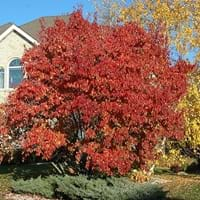
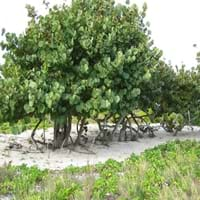
Amur Maple and Sea Grape physical information is very important for comparison. Amur Maple height is 460.00 cm and width 300.00 cm whereas Sea Grape height is 610.00 cm and width 610.00 cm. The color specification of Amur Maple and Sea Grape are as follows:
Amur Maple flower color: Light Green and Ivory
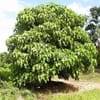
Amur Maple leaf color: Green
Sea Grape flower color: White
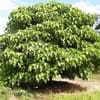
- Sea Grape leaf color: Red, Olive and Bronze
Care of Amur Maple and Sea Grape
Care of Amur Maple and Sea Grape include pruning, fertilizers, watering etc. Amur Maple pruning is done Pruning in early stages, Remove damaged leaves, Remove dead branches and Remove dead leaves and Sea Grape pruning is done Remove dead branches. In summer Amur Maple needs Lots of watering and in winter, it needs Keep Slightly Dry. Whereas, in summer Sea Grape needs Lots of watering and in winter, it needs Average Water.